
How Mississippi Wanted Notices Work
The Mississippi Department of Public Safety (DPS) runs the state's main Most Wanted page. Think of it as a curated bulletin. It names people law enforcement is actively seeking, not every open warrant in the state. Local agencies pursue people the page never mentions. A missing name proves nothing either way, so confirm any case status with the issuing agency or court.
Other systems run alongside it. Corrections publishes escape and absconding alerts, while victim notification services send separate warnings. The U.S. Marshals Service keeps profiles of federal fugitives. They share no search form. Each one has its own scope. The agency's own linked page is always the place to verify current details. An old screenshot can lag behind the live notice.
Need a broader arrest or booking lookup instead? The official custody and records paths sit on the Mississippi statewide arrest and mugshot page. A booking record, a court warrant, a parole alert, and a wanted notice each answer a different question. Pick the tool that fits.
The MDOC Inmate Search is a state-prison profile search, separate from DPS wanted notices.
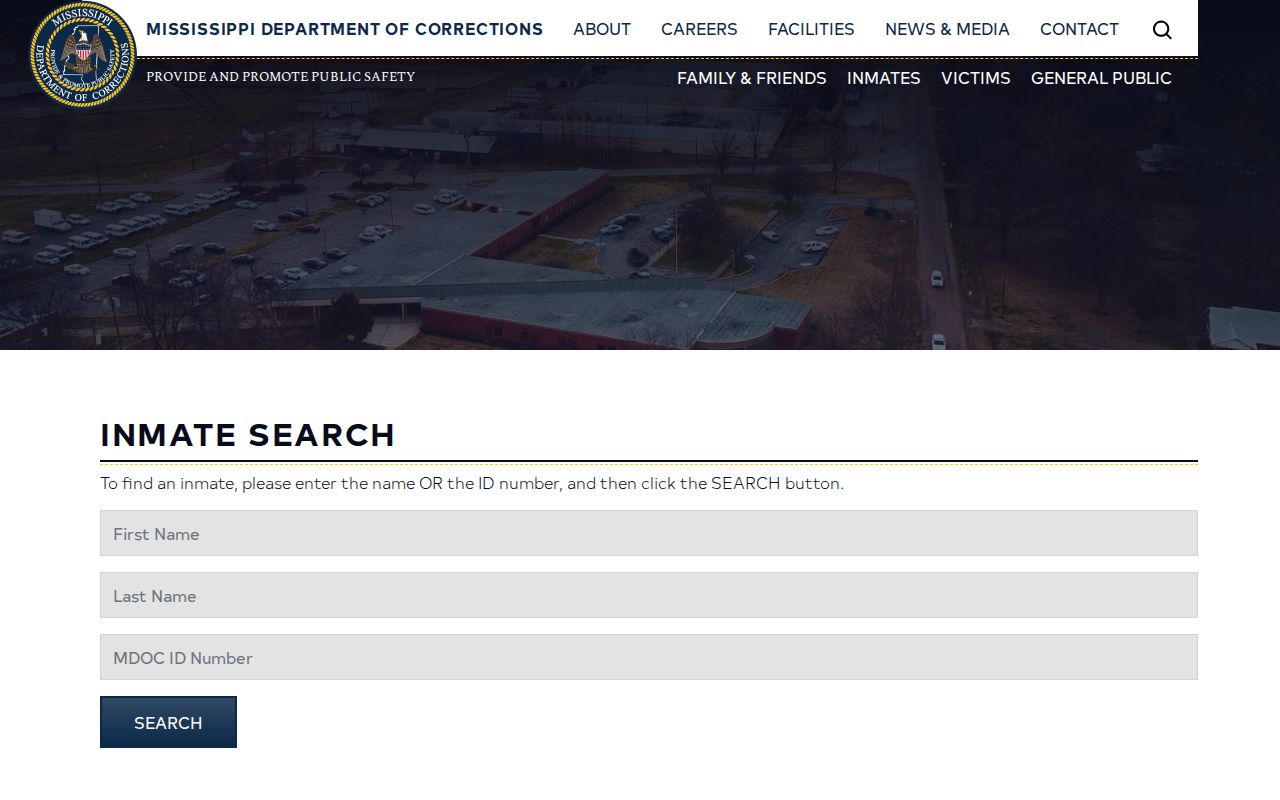
An MDOC match points to a corrections profile. It does not prove anyone is wanted. The owning court or notice answers that question.
Mississippi DPS Wanted Profile Fields
A DPS profile can include a photo, name, physical descriptors, and age or date of birth. It also lists the wanted offense and last-known details. Content shifts as a case moves. The official notice page and its tip direction appear in the image below.
The Mississippi DPS Most Wanted page is the state source for its current public notices.
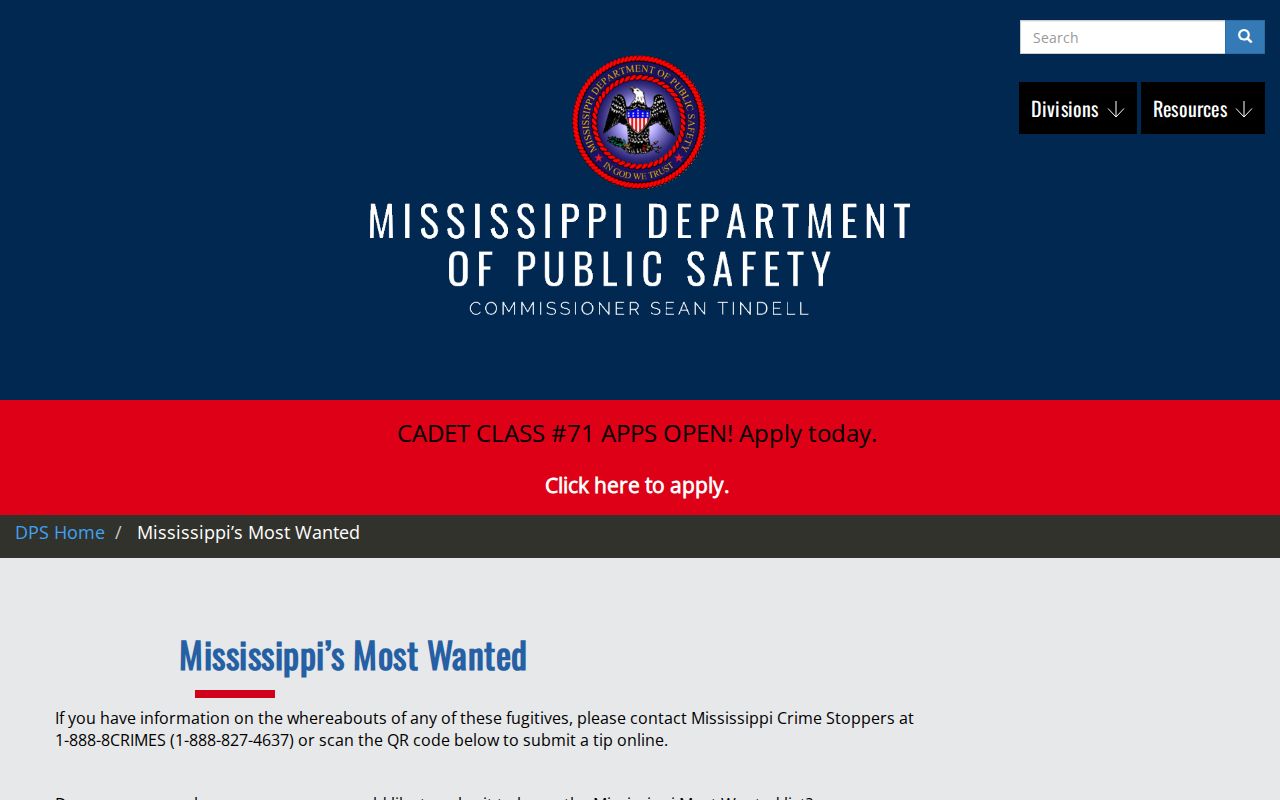
The agency page carries a safety warning. It points anyone with information to the official tip route rather than private action. Leave photos where the agency posted them.
| Profile field | How to read it |
|---|---|
| Photo | An agency-posted image used to help identify the person named in that notice. Appearance can change. |
| Name and descriptors | Compare the full set of agency-provided details. A similar name alone is not enough to confirm identity. |
| Date of birth or age | The page may show one of these age markers. Do not copy full birth dates into a public post. |
| Wanted offense | The offense tied to the notice. It is not a court finding of guilt. |
| Last-known information | May help law enforcement evaluate a tip. It is not an invitation to search for or confront the person. |
DPS posts no fixed count or update interval. Reopen the page before sharing a notice, and follow the agency's warning and tip instructions.
Mississippi’s Other Fugitive Notices
MDOC's public Parolee Search takes a name, MDOC ID, city, or county. It checks supervision status. It is not a warrant lookup. It is not a statewide photo roster either. A result can point you toward the right corrections record, but it cannot show who is behind bars today or which warrant remains active.
MDOC escape notices work differently. The notice for three escapees is one example, not a standing absconder list. The Mississippi SAVIN/VINE service does something else again. It sends alerts about participating county and MDOC events, including transfers, releases, escapes, and people who abscond from supervision. Alerts are not a booking list.
The U.S. Marshals profiled-fugitives page offers district-level profiles, not a searchable Mississippi roster. The agency's prisoner-photograph guidance limits photo and history releases. Read each federal profile for the case it names, not as a census of people in custody.
| Notice or service | Agency | What the source establishes | Known limit |
|---|---|---|---|
| DPS Most Wanted | Mississippi DPS | Statewide wanted notices can include photos, descriptors, offense, and last-known details. | No fixed count or refresh interval was located. |
| Parolee Search | MDOC | Name, MDOC ID, city, and county search for parole records. | Not a warrant lookup or wanted-photo roster. |
| Escape notice and SAVIN/VINE | MDOC | Event-specific notices or alerts for participating custody events. | Not one current, searchable absconder list. |
| Profiled fugitives | U.S. Marshals Service | District-level profiles and related federal information. | Not a complete Mississippi fugitive or booking-photo index. |
These labels matter when people move between systems. Someone can leave county custody, enter state prison, then land on parole. Federal districts can seek the same person. An alert may report a transfer or release with no new photo, so open the linked agency page to see which event it actually reports.
MDOC’s SAVIN/VINE information page explains a separate notice system for certain custody events.
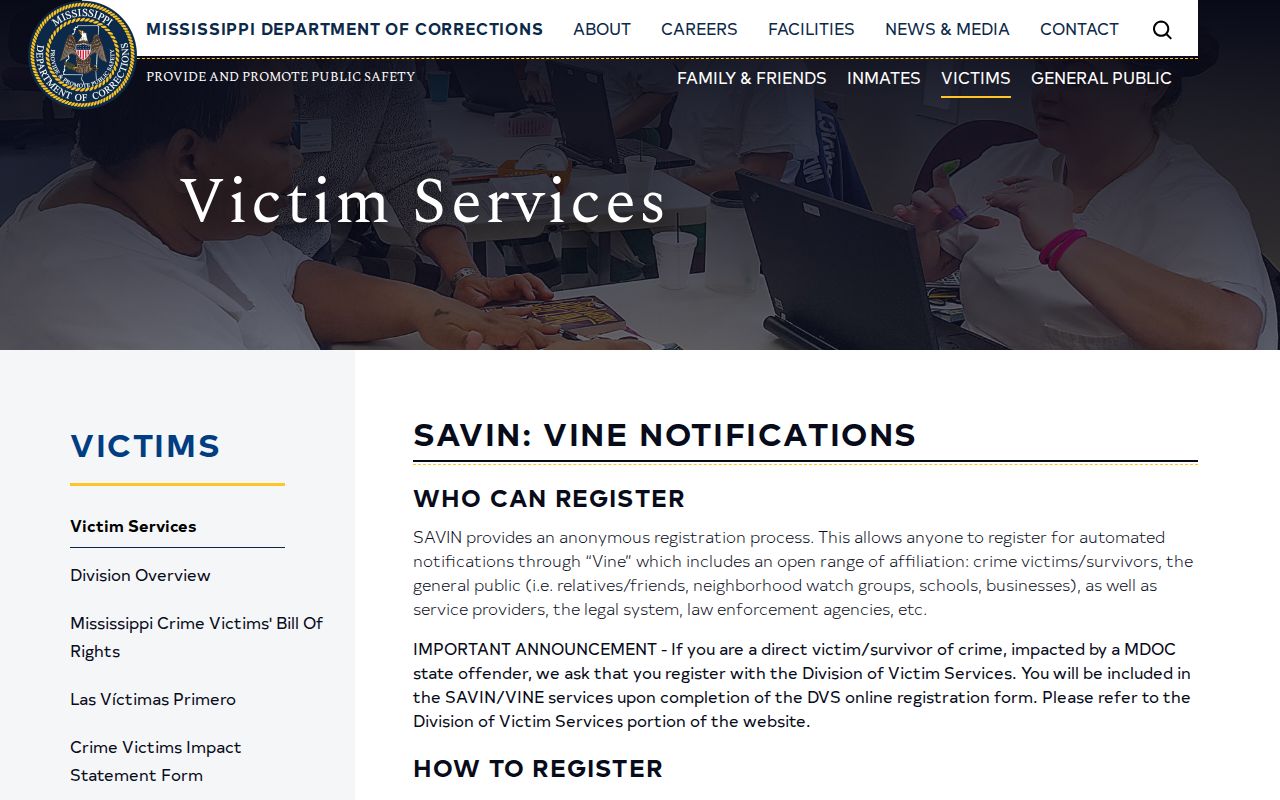
Notification is the alert page's real job. It cannot replace a wanted notice, a court docket, or a direct status check with the agency.
How to Send a Mississippi Tip
Use the contact route printed on the live agency notice. The state Crime Stoppers page lists a statewide line for anonymous tips and possible rewards. Not every tip qualifies for a reward. Do not assume money will follow. For an immediate emergency, call 911. Never use a tip line to confirm rumors or to make contact with a wanted person yourself.
- Open the live DPS, MDOC, or USMS notice and confirm which agency is asking for information.
- Read the warning and the official tip directions. For the statewide Crime Stoppers route, use the number in the contact card below.
- Share only what you directly know, such as where and when you saw something. Do not follow, message, threaten, or approach the person.
- If there is immediate danger, call 911 and give the dispatcher the location and facts you can safely report.
Mississippi Crime Stoppers
Statewide tip line: 1-888-8CRIMES (1-888-827-4637)
Check the DPS statewide tip-number page for current instructions.
Mississippi Warrant Check Paths
A warrant gives a court's blessing to a specific law-enforcement action. Wanted lists and warrants overlap, but they are not the same thing. The DPS page is curated. It is not a full active-warrant search. No single public portal covers every Mississippi county's current warrant status. So a name that shows up empty proves very little. Keep the source and the question matched. A corrections profile tracks state prison or supervision records. A wanted notice asks the public to help locate one named person. A court docket shows filings and orders in a participating case. The office holding the record can say whether a notice is current. It also knows which court or agency controls it.
| Official source | Useful for | Limit |
|---|---|---|
| DPS Most Wanted | Current state-published wanted notices and the linked tip path. | Curated list; not every active warrant. |
| PAMEC or local court clerk | Case dockets and documents for participating courts and nonrestricted matters. | Not every court or record is online; a docket search is not a statewide warrant certificate. |
| Sheriff, jail, or arresting agency | Direct confirmation of the local record and the office that holds it. | The linked state sources do not identify one statewide contact route. |
| MDOC Parolee Search or SAVIN/VINE | Corrections or notification status within each service’s scope. | Neither tool is a universal warrant search. |
How to Check a Mississippi Warrant
Start with the right office. When one person is the question, be precise. Confirm which county, court, or agency has authority over the case. Court Explorer links to the courts' public resources. Registered PAMEC users can view electronic case information, dockets, and documents for participating courts. That access applies when the record is not restricted. A docket helps you spot a case and its later orders. Only a local clerk or law-enforcement custodian can confirm current warrant status.
- Start with the likely jurisdiction and gather the person’s full name and any case or agency details already known.
- Search the official Mississippi Courts useful-links page and, for a participating court, the PAMEC public access service.
- Compare the case number, court, filing date, and docket entries. Look for an order or later case result, then ask the local clerk what the docket does and does not establish.
- If no online result appears, contact the relevant sheriff, jail, arresting police agency, or clerk. A narrow written request under the Mississippi Public Records Act can ask for a specified docket or record and its current status.
- For a safe resolution, contact the issuing court or a lawyer. Do not go to a listed address or try to arrange an encounter yourself.
PAMEC access is not free. Its official public-user information lists a $10 annual fee plus $0.20 per document page. Not everything is online, since restricted cases may stay hidden and the clerk or a courthouse terminal may still be needed. An empty search result proves nothing.
The PAMEC public access entry page is the online doorway for participating Mississippi courts.
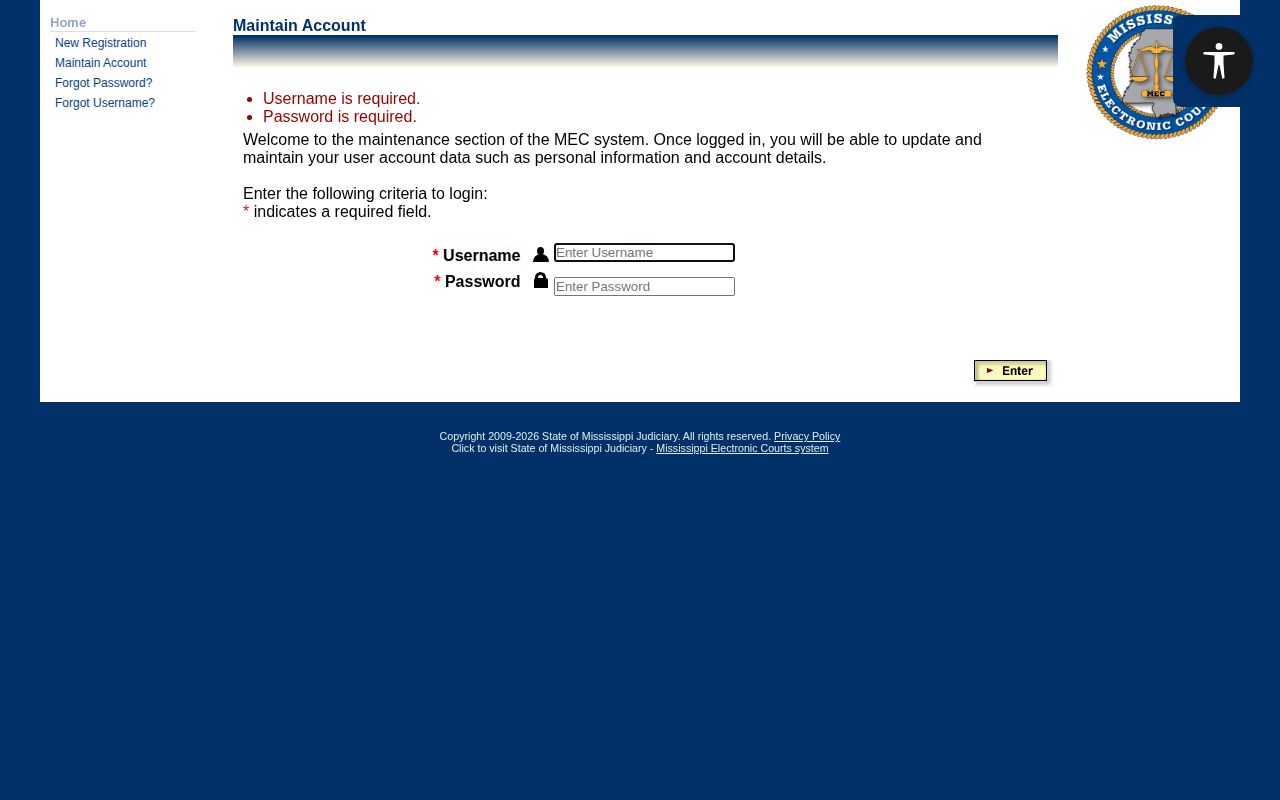
Use PAMEC to find case details where a court participates. Then call the clerk or issuing agency. Only they can confirm current warrant status.
A docket is a case-status tool, not a jail roster. Search by case number, defendant name, court, and filing date when you have them. Read the later entries closely. Look for a dismissal, plea, trial result, sentence, acquittal, reversal, or expungement order. If the outcome is unclear, ask the clerk. For a county custody question, go to the agency holding the booking record. Court dockets can lag behind an arrest or release.
A missing DPS result only means the name was absent from that curated page during your search. It does not prove a warrant is absent. Ask the agency or court that holds the record.
Mississippi Wanted Notices Are Not Rosters
Safety notices and booking feeds serve different jobs. A DPS Most Wanted entry, an MDOC escape notice, a SAVIN alert, and a USMS profile each communicate one specific request or custody event. None of them is a statewide feed of recent arrests. Mixing them with booking cards blurs what each agency actually says. No shared count or refresh schedule exists either. A recent booking is an intake event. A wanted notice is a request for information. A parole alert concerns someone under supervision. A court disposition records what actually happened in a case, and those labels should stay separate even when they involve the same person.
County agencies vary widely. Some publish a roster or release page; others offer no searchable public feed at all. The Mississippi County Directory points to the right county source. There you can check the custodian and the type of record. Prison is a different system. For a state inmate, use MDOC's inmate search. A county booking photo and an MDOC profile photo come from different custody systems.
Note: Save the source agency and access date with any notice because its online status can change without a shared statewide archive.